-
Glas in Stahltanks geschmolzen (596)
-
Edelstahlbehälter (434)
-
Fusion verpfändete Epoxidbehälter (592)
-
Verzinkte Stahlbehälter (321)
-
Aluminiumhauben-Dächer (1316)
-
Abwasserbehälter (231)
-
Schweißbehälter aus Stahl (457)
-
Druckbehälter (295)
-
Anaerober Digestor (201)
-
Industrieabwasser Tanks (349)
-
Glasverkleidete Stahltanks (180)
-
Weggelaufene Stahltanks (390)
-
Schlammspeicher (115)
-
Biogasspeicher (173)
-
Leachatspeicher (133)
-
Landwirtschaftliche Wasserspeicher (179)
-
Feuerwasserbehälter (166)
-
Kornspeicher-Silos (146)
-
Biogasprojekte (425)
-
Abwasserbehandlungs-Projekte (788)
-
Doppelmembranes Dach (223)


|
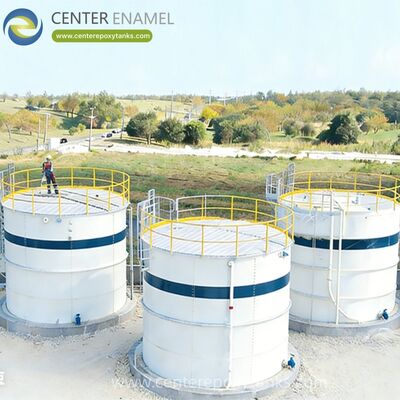
Außenflüssiges Dach für einen Fuel-Speicherbehälter mit einer einzigen Wand: Ergänzt die Standard-Tankkonstruktion durch eine wesentliche Emissionskontrolle
| Herkunftsort: | China |
| Markenname: | CEC TANKS |
| Zertifizierung: | ISO 9001:2008, AWWA D103 , OSHA , BSCI |
| Modellnummer: | w |
| Min Bestellmenge: | 1Set |
| Preis: | $5000~$20000 one set |
| Verpackung Informationen: | PE-Polyschaum zwischen jeweils zwei Stahlplatten; Holzpalette und Holz |
| Lieferzeit: | 10–30 Tage nach Erhalt der Anzahlung |
| Zahlungsbedingungen: | L/C, T/T |
| Versorgungsmaterial-Fähigkeit: | 60 Sätze pro Monat |
|
Ausführliche Information |
|||
| Herkunftsort | China | Markenname | CEC TANKS |
|---|---|---|---|
| Zertifizierung | ISO 9001:2008, AWWA D103 , OSHA , BSCI | Modellnummer | w |
| Korrosionsbeständigkeit: | Geeignet für Abwasser, Salzwasser, Meerwasser, Rohöl mit hohem Schwefelgehalt, Salzwasser, organisch | Elastisch: | Dasselbe wie Stahlblech |
| Farbe des Tankkörpers: | individuelles Design | Beschichtungsdicke: | Maßgeschneidert |
| Stiftung: | Beton | Stahlsorte: | Edelstahl |
| Hervorheben: | Außenfließender Treibstoffbehälter,Kraftstoffspeicher mit einer Wand,geschweißter Stahl-Emissionskontrollbehälter |
||
Beschreibung des Produkts
Außenflüssiges Dach für einen Fuel-Speicherbehälter mit einer einzigen Wand: Ergänzt die Standard-Tankkonstruktion durch eine wesentliche Emissionskontrolle
In vielen industriellen und kommerziellen Sektoren bleiben Einwandtanks aufgrund ihrer strukturellen Einfachheit und der etablierten technischen Verfahren die Standardwahl für die Speicherung von Flüssigkeiten in großen Mengen.eine Standardkonfiguration mit festem Dach ermöglicht einen erheblichen Verlust an "Atmung" und "Arbeitszeit", wo flüchtige Treibstoffdämpfe in die Atmosphäre entweichen.Außenflüssiges Dach für geschweißte Einwand-Brennstoffspeicher aus Edelstahlist ein hochwirksames Upgrade, dasergänzt die Emissionskontrolle in den StandardbehälterkonstruktionenDurch die Beseitigung des Dampfraums zwischen Flüssigkeitsoberfläche und Tankoberfläche stellt dieses System sicher, daß der Treibstoff in seinem flüssigen Zustand bleibt.aus geschweißtem EdelstahlSchale und einAluminiumkuppeldach, verwandelt es eine einfache Speichereinheit in ein leistungsstarkes, umweltfreundliches Anlagegeschäft.
Wesentliche Emissionskontrolle für Standardschiffe
Die Hauptschwäche eines traditionellen Einwandbehälters ist der Kopfraum.Wenn die Temperatur sinktDas externe schwimmende Dach trägt dazu bei, sich direkt auf den Brennstoff zu stützen und fungiert als Schwimmmittel.Bewegliche Kolben, die der Flüssigkeitsstufe perfekt folgt.
Die Wahl deraus geschweißtem EdelstahlIm Gegensatz zu Kohlenstoffstahl, der sich in seinem Inneren vergrößern und Rost entwickeln kann, was die Dichtungsintegrität beeinträchtigt,Edelstahl bietet eine extrem glatte InnenwandDies ermöglicht es den schwimmenden Dachdichtungen, über Jahrzehnte des Betriebs einen überlegenen, luftdichten Kontakt zu behalten.Hinzufügen der wesentlichen Emissionskontrolle, wodurch das Auslaufen flüchtiger organischer Verbindungen verhindert und der wirtschaftliche Wert des gelagerten Bestands erhalten bleibt.
Das Strukturschild: Aluminiumkuppeldächer
Um eine Sekundärschutzschicht für das innere schwimmende Dach und den Kraftstoff zu schaffen, wird einAluminiumkuppeldachDie geodätische Kuppel bietet einen klaren, wetterdichten Schild, der das Innere vor Regen, Schnee und windgetriebenem Schutt schützt.Dies ist besonders wichtig für Einwandtanks, da es verhindert, dass sich Regenwasser auf dem schwimmenden Deck ansammelt und das Dach möglicherweise versenkt.
Ein großer Vorteil derAluminiumkuppeldachTraditionelle feste Dächer erfordern interne Stützpfeiler, die durch das schwimmende Dach dringen müssen, wodurch Dutzende von möglichen Leckagewegen entstehen.Durch die Verwendung einer selbsttragbaren Aluminiumkuppel, das Innere deraus geschweißtem EdelstahlDas schwebende Dach ermöglicht eine zu 100% wirksame Dichtung über die gesamte Oberfläche.die reflektierenden Platten der Aluminiumkuppel helfen, eine stabile Innentemperatur zu erhalten, wodurch die thermische Energie, die den Dampfdruck antreibt, verringert und die Bemühungen zur Emissionskontrolle unterstützt wird.
Haltbarkeit und Betriebswert
Die Kombination vonaus geschweißtem Edelstahlund eine Aluminiumkuppel bietet eine Lösung mit den niedrigsten Gesamtbetriebskosten für Standardbehälter.aus geschweißtem EdelstahlDies ist ein wichtiger Faktor für die Erhöhung der Energieeffizienz und die Verbesserung der Energieeffizienz.Aluminiumkuppeldachist natürlich korrosionsbeständig und bedarf weder regelmäßiger Lackierung noch Sandblasen.
Dieses integrierte System erhöht auch die Sicherheit des Standorts.während das schwimmende Dach sicherstellt, dass sich im Behälter keine brennbaren Dämpfe ansammelnDie strukturelle Einfachheit der Säulenfreiheit erleichtert auch sicherere und effizientere Inspektionen.die Techniker in die Lage versetzt, den Zustand der Dichtungen zu überwachen, ohne sich durch komplexe interne Stützstrukturen zu bewegen.
Schlussfolgerung
In der sich ständig verändernden Umweltschutzregelung ist die Qualität der Speicherinfrastruktur ein direkter Treiber für die Einhaltung und Rentabilität.Außenflüssige Dächer für geschweißte Einwand-Brennstoffspeicher aus EdelstahlSie bieten die effektivste Barriere gegen Produktverluste und gefährliche Emissionen.ergänzt die wesentliche Emissionskontrolle, die Betreiber ihre Anlagen und die Umwelt schützen.Aluminiumkuppeldach, stellen sie eine Weltklasse-Lösung dar, die Sicherheit, Haltbarkeit und Leistung in Einklang bringt.