-
Glas in Stahltanks geschmolzen (596)
-
Edelstahlbehälter (434)
-
Fusion verpfändete Epoxidbehälter (592)
-
Verzinkte Stahlbehälter (321)
-
Aluminiumhauben-Dächer (1316)
-
Abwasserbehälter (231)
-
Schweißbehälter aus Stahl (457)
-
Druckbehälter (295)
-
Anaerober Digestor (201)
-
Industrieabwasser Tanks (349)
-
Glasverkleidete Stahltanks (180)
-
Weggelaufene Stahltanks (390)
-
Schlammspeicher (115)
-
Biogasspeicher (173)
-
Leachatspeicher (133)
-
Landwirtschaftliche Wasserspeicher (179)
-
Feuerwasserbehälter (166)
-
Kornspeicher-Silos (146)
-
Biogasprojekte (425)
-
Abwasserbehandlungs-Projekte (788)
-
Doppelmembranes Dach (223)


|
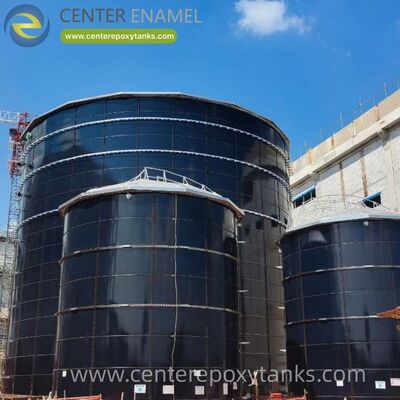
Schraubwasserbehälter aus Stahl als Fabrikwasserbehälter: Integrierte Lagerung für die Effizienz der Produktionslinie und Brandschutz.
| Herkunftsort: | China |
| Markenname: | CEC TANKS |
| Zertifizierung: | ISO 9001:2008, AWWA D103 , OSHA , BSCI |
| Modellnummer: | W |
| Min Bestellmenge: | 1 SATZ |
| Preis: | $5000~$20000 one set |
| Verpackung Informationen: | PE-Polyschaum zwischen jeweils zwei Stahlplatten; Holzpalette und Holz |
| Lieferzeit: | 10–30 Tage nach Erhalt der Anzahlung |
| Zahlungsbedingungen: | L/C, T/T |
| Versorgungsmaterial-Fähigkeit: | 60 Sätze pro Monat |
|
Ausführliche Information |
|||
| Herkunftsort | China | Markenname | CEC TANKS |
|---|---|---|---|
| Zertifizierung | ISO 9001:2008, AWWA D103 , OSHA , BSCI | Modellnummer | W |
| Korrosionsbeständigkeit: | Geeignet für Abwasser, Salzwasser, Meerwasser, Rohöl mit hohem Schwefelgehalt, Salzwasser, organisch | Farbe des Tankkörpers: | Dunkelgrün / kann angepasst werden |
| Stahlsorte: | Kunst 310 | Dach verfügbar: | Glasverminderung Stahldach, Membrandach, Aluminiumdach, GRP -Dach |
| Korrosionsintegrität: | Exzellent | Stiftung: | Beton- oder Glasverminderungstahl |
| Hervorheben: | Wasserbehälter aus Stahl mit Schrauben für Fabriken,Fabrikwasserbehälter mit Brandschutz,integrierte Stahlspeicher mit Schrauben |
||
Beschreibung des Produkts
Schraubwasserbehälter aus Stahl als Fabrikwasserbehälter: Integrierte Lagerung für die Effizienz der Produktionslinie und Brandschutz.
Innerhalb einer Produktionsstätte mit hoher Leistung ist Wasser ein Mehrzweckmittel, das absolute Zuverlässigkeit erfordert.Fabrikwasserbehälter sind die Hauptbehälter für zwei wesentliche, aber sehr unterschiedliche Funktionen: Unterstützung der Produktionslinie und Gewährleistung der Lebenssicherheit durch Brandbekämpfung.Diese Behälter bieten einen konstanten Puffer von Prozesswasser, der Druck und Volumen für Hochzyklusmaschinen aufrechterhält.Für die Brandsicherheit dienen sie als spezielle Hochbereitschaftsreserven, die den Brandsprinklersystemen jederzeit zur Verfügung stehen müssen. The challenge for factory engineers is that these tanks are often located in high-traffic areas or on rooftops where they are exposed to the vibration of heavy equipment and the corrosive particulates common in industrial air.
Traditionelle geschweißte Tanks erfüllen häufig nicht die doppelten Bedürfnisse moderner Fabriken, weil ihre Vor-Ort-Beschichtungen schwer zu überprüfen sind und anfällig für lokalisierte Ausfälle sind.wirtschaftlicheDer globale verarbeitende Sektor hat sichEpoxybeschichtete Behälter, insbesondereEpoxyverbundene Stahltanks mit SchraubenDiese Strukturen bieten die industrielle Haltbarkeit, die sowohl für die Effizienz der Montagelinie als auch für die strengen Anforderungen der Brandschutzvorschriften erforderlich ist.
Die doppelte Funktion der Wasserbindung in Fabriken
Ein leistungsfähiger Fabrikwasserbehälter muss für extreme Zuverlässigkeit und multifunktionale Wartung ausgelegt sein:
Verschiedenartigkeit der beiden Dienste:Viele Fabriken nutzen einen einzigen großen Tank für Prozesswasser und Brandschutz.Epoxyverbundene Stahltanks mit Schraubenkann mit spezialisierten Innenleitungen ausgestattet werden, die ein spezielles Volumen für die Brandschutzvorkehrungen reservieren und gleichzeitig den oberen Teil für den täglichen Produktionsbedarf nutzen lassen.
Korrosionsbeständigkeit in Industrieumgebungen:Die Fusion Bonded Epoxy Barrier bietet einen nicht-reaktiven Schild, der sicherstellt, dass der Tank bleibtKorrosionsfreisowohl innen als auch außen, um die strukturelle Integrität der Sicherheitsinfrastruktur der Anlage zu schützen.
Strukturelle Stabilität unter Vibrationen:Im Gegensatz zu starrem Beton,Die hochfesten Stahlplatten und die flexiblen Schraubverbindungen dieser Tanks sind besser geeignet, um den ständigen Mikrovibrationen schwerer industrieller Maschinen und seismischer Aktivitäten standzuhalten..
Hygienische Oberfläche für die Prozessreinheit:Für Fabriken im Lebensmittel-, Pharma- oder Elektronikbereich muss das Wasser rein bleiben.Nichtporöse Oberfläche der Epoxidbeschichtung verhindert die Auslaugung von Metallen und das Wachstum von Biofilmen.
Technische Exzellenz: Fusionsgebundene Epoxybarriere
Die Zuverlässigkeit eines Fabrikwasserbehälters beruht auf dem Fertigungsprozess mit Fusion Bonded Epoxy (FBE).Dieser Prozess gewährleistet ein Niveau der Beschichtungsgleichheit und der Bindungsfestigkeit, das allen Feldfarben überlegen ist..
Der Prozess beginnt mit der präzisen Vorbereitung von hochfesten Stahlplatten. Jedes Panel wird mit Schotter geblasen, um ein nahezu weißes Finish zu erzielen, wodurch ein ideales mechanisches Ankerprofil entsteht.thermosetzendes Epoxypulver wird dann elektrostatisch aufgetragenDie Platten werden in spezialisierten Öfen bei extremen Temperaturen gehärtet, wodurch das Epoxid schmilzt, fließt und eine chemische Kreuzverbindungsreaktion durchläuft, die es molekular mit dem Stahlsubstrat verschmilzt.
Das Ergebnis ist eine dichte, einheitliche und unglaublich starke Barriere, da die Platten vor der Montage beschichtet sind, ist jede Kante und jedes vorgeborene Schraubloch vollständig eingekapselt.Diese Paneele werden mit speziellen hochfesten Befestigungsmitteln und industriellen Dichtungsmitteln verbunden, die eine Struktur schaffen, die gegen die atmosphärischen und prozessbedingten Belastungen der Fabrikumgebung immun ist.
Verbesserung der Fabriksicherheit durchAluminiumKuppeldächer
In der Wasserwirtschaft ist das Dach von entscheidender Bedeutung, um zu verhindern, dass Abfälle die Feuerpumpen verstopfen und um das Wasser vor lichtgetriebenem biologischen Wachstum zu schützen.Aluminiumbäumeist ein strategischer Standard:
Wartungsfreie Leistung für Anlagen mit hoher Betriebszeit:Die Fabriken können sich die Ausfallzeiten oder Sicherheitsrisiken, die mit dem Nachmachen von Tankdächern verbunden sind, nicht leisten.Bereitstellung einer wartungsfreien Abdeckung.
Eliminierung von Algen und biologisches Wachstum:Sonnenlicht kann Algenblüten auslösen, die die Sprinklerdüsen beschmutzen.Aluminiumbäumeeine vollständige Lichtbarriere bieten, wodurch das Wasser klar und biologisch stabil bleibt.
Leichtgewichtsgeodätische Konstruktion für Dachanlagen:Die geodätische Konstruktion bietet eine immense strukturelle Festigkeit mit minimalem Gewicht.Verringerung der "Toten Belastung" des Stahlkonstruktionsbaus.
Innenraum für Feuerwehrgeräte mit freiem Spannraum:Die Kuppel bietet einen klaren Innenraum ohne Stützpfeiler, so dass interne Wirbelplatten, Niveausensoren und hohe Feuerpumpen-Aufnahmemängel ungehindert installiert werden können.
Schnelle Bereitstellung und modulare Skalierbarkeit
Für eine Produktionsanlage, die im Ausbau steht, ist die Schnelligkeit der Montage ein großer Vorteil.Epoxyverbundener Stahl mit SchraubenbehälterDies ist ein entscheidender Vorteil in "sparklosen" Industriezonen, der eine schnelle Einrichtung von Brandschutz- und Prozesswasserreserven ermöglicht.
Die Modulstruktur des Systems ermöglicht zudem eine zukünftige Flexibilität.Diese Tanks können oft durch Hinzufügen von mehr Ringen von Panels erhöht werdenDiese Modularität stellt sicher, dass die anfängliche Infrastrukturinvestition ein langfristiges Kapital bleibt, das sich mit den Sicherheits- und Produktionszielen der Anlage entwickeln kann.
Projektfälle: Nachgewiesene Leistung in der industriellen Infrastruktur
Die folgenden nicht fiktiven Projekte belegen die erfolgreiche Umsetzung unsererEpoxybeschichtete Behälterin anspruchsvollen Industrie- und Versorgungsumgebungen:
Saudi-Arabien städtisches Abwasser- und Industrieabfallprojekt:Dieses Projekt, das bei extremen Temperaturen betrieben wird, erfordert Tanks, die sowohl den internen chemischen Rückständen als auch den externen Umweltbelastungen standhalten können.5Einheiten von Tanks, um eine sichere undKorrosionsfreiLösung.
Projekt für eine Kläranlage in Sichuan Chengdu:Dieses Projekt mit hoher Kapazität16Es ist ein Beweis für die Strukturstabilität und die modulare Effizienz, die für das moderne Flüssigkeitsmanagement im industriellen Maßstab erforderlich sind.
Projekt für die Wasser- und Abwasserinfrastruktur der Stadt Hebei:Dieses Projekt nutzte einen hochwertigen Schraubbehälter zur Unterstützung der regionalen Wasserverteilung und der industriellen Sicherheit.1Einheit des Tanks, die eine zuverlässige und wartungsarme Lösung für wesentliche Dienste bietet.
Schlußfolgerung: Ein hoher Stand der Bereitschaft für den Betrieb von Fabriken
Die effiziente Bewirtschaftung der Wasserressourcen in Fabriken erfordert eine Infrastruktur, die für Langlebigkeit, Sicherheit und strukturelle Langlebigkeit ausgelegt ist.Epoxyverbundener Stahl mit Schraubenbehälterist die fortschrittlichste Lösung für die moderne verarbeitende Industrie.
Durch die Bereitstellung einer in der Fabrik hergestellten Schranke, die eine Kontamination verhindert, und durch die Einbeziehung des fortschrittlichen Schutzes vonAluminiumbäume, sorgen diese Tanks dafür, dass die Anlagen der Fabrik mit absoluter Sicherheit verwaltet werden.und skalierbare Lösung, die das kontinuierliche Wachstum und die Betriebssicherheit von Fabriken weltweit unterstützt.