-
Glas in Stahltanks geschmolzen (596)
-
Edelstahlbehälter (434)
-
Fusion verpfändete Epoxidbehälter (592)
-
Verzinkte Stahlbehälter (321)
-
Aluminiumhauben-Dächer (1316)
-
Abwasserbehälter (231)
-
Schweißbehälter aus Stahl (457)
-
Druckbehälter (295)
-
Anaerober Digestor (201)
-
Industrieabwasser Tanks (349)
-
Glasverkleidete Stahltanks (180)
-
Weggelaufene Stahltanks (390)
-
Schlammspeicher (115)
-
Biogasspeicher (173)
-
Leachatspeicher (133)
-
Landwirtschaftliche Wasserspeicher (179)
-
Feuerwasserbehälter (166)
-
Kornspeicher-Silos (146)
-
Biogasprojekte (425)
-
Abwasserbehandlungs-Projekte (788)
-
Doppelmembranes Dach (223)


|
Umwandlung von Geflügelmüll: Erweiterte Biogasanlagen und widerstandsfähige GFS-Tank in Singapur
| Herkunftsort: | China |
| Markenname: | CEC TANKS |
| Zertifizierung: | ISO 9001:2008, AWWA D103 , OSHA , BSCI |
| Modellnummer: | W |
| Min Bestellmenge: | 1 SATZ |
| Preis: | $5000~$20000 one set |
| Verpackung Informationen: | PE-Polyschaum zwischen jeweils zwei Stahlplatten; Holzpalette und Holz |
| Lieferzeit: | 10–30 Tage nach Erhalt der Anzahlung |
| Zahlungsbedingungen: | L/C, T/T |
| Versorgungsmaterial-Fähigkeit: | 60 Sätze pro Monat |
|
Ausführliche Information |
|||
| Herkunftsort | China | Markenname | CEC TANKS |
|---|---|---|---|
| Zertifizierung | ISO 9001:2008, AWWA D103 , OSHA , BSCI | Modellnummer | W |
| Farbe des Tankkörpers: | Dunkelgrün / kann individuell angepasst werden | Korrosionsintegrität: | Exzellent |
| Dicke der Stahlplatten: | 3 mm bis 12 mm, abhängig von der Tankstruktur | Chemische Beständigkeit: | Exzellent |
| Größe des Panels: | 2,4 Mio. * 1,2 Mio | Leicht zu reinigen: | Glatt, glänzend, inert, antiadhäsiv |
| Hervorheben: | Biogaslösungen aus Geflügelabfällen,GFS-Behälter für Abwasser,Behandlung von Abwasser mit Biogas Singapur |
||
Beschreibung des Produkts
Umwandlung von Geflügelmüll: Erweiterte Biogasanlagen und widerstandsfähige GFS-Tank in Singapur
Als globale Drehscheibe für Innovation und Nachhaltigkeit definiert Singapur die landwirtschaftliche Produktivität durch seine Vision "30 by 30" neu, mit dem Ziel, bis 2030 30% seines Ernährungsbedarfs lokal zu produzieren.In diesem RahmenIn einem Land mit wenig Land erfordert die Bewirtschaftung organischer Abfälle jedoch höchste Effizienz und technologische Präzision.Für moderne Geflügelbetriebe in Singapur, der Übergang von der traditionellen zur fortgeschrittenen AbfallentsorgungBiogastechnikDas ist eine strategische Notwendigkeit.CSTR (vollständig gerührter Tankreaktor)Prozess mit ElastizitätGlas-Stahl-Tank (GFS), verwandeln die Betriebsinhaber gefährlichen Hühnermist in eine nachhaltige Energiequelle.
Die Landschaft Singapurs in der Geflügelwirtschaft und die Herausforderungen bei Abfällen
Der Geflügelsektor Singapurs zeichnet sich durch hochtechnologische, mehrstöckige und klimatisierte Anbaumöglichkeiten aus, die den Ertrag in begrenzten Räumen maximieren sollen.Während diese fortschrittlichen Systeme die Nahrungsmittelsicherheit unterstützen, erzeugen sie konzentrierte Mengen an "hochfesten" organischen Abfällen.
HühnerdüngerIn den städtisch integrierten Landwirtschaftszonen Singapurs stellen unbehandelte Abwässer einzigartige Risiken dar:
Geruchskontrolle: Die Nähe zu Wohn- und Geschäftszentren macht starke Gerüche von Ammoniak- und Methanemissionen inakzeptabel.
Strenge Ablassnormen: Die Nationalen Umweltbehörden (NEA) Singapurs setzen strenge Wasserqualitätsstandards für Industrie- und landwirtschaftliche Abwässer durch.
Raumbeschränkungen: Traditionelle, weitläufige Abfalllagunen sind unmöglich; Abwasserreinigungssysteme müssen kompakt, vertikal und hocheffizient sein.
Um diese Probleme zu lösen, hat dieRegierung von Singapureine starke politische Unterstützung für Initiativen zur Kreislaufwirtschaft bietet.Vorschriften und Zuschüsse ermutigen die Betriebe, "Abfall-zu-Energie"-Systeme einzuführen, die die Auswirkungen auf die Umwelt minimieren und gleichzeitig zum nationalen Netz beitragen.
Von Abfall zu Energie: Der Prozess der Biogasproduktion
Die Umwandlung von Hühnermist in Biogas ist ein anspruchsvoller biologischer Prozess, der perfekt mit den Nachhaltigkeitszielen Singapurs übereinstimmt:
Sammlung und Vorbehandlung: Der Dünger wird über automatisierte Gürtelsysteme gesammelt und in einen zentralen Sumpf gebracht.Feststoff-FlüssigkeitsseparatorenAbbau von Sand und Federn zum Schutz der nachgelagerten Anlagen.
Anaerobe Verdauung: Der Schlauch wird in eine versiegelteAnaerober ReaktorIn dieser sauerstofffreien Umgebung zerlegen spezialisierte Bakterien organische Stoffe.
Methanerzeugung: Der Prozess entlässtBiogas(hauptsächlich Methan), der in einem Gashalter mit doppelter Membran aufgenommen wird.
Rückgewinnung von Ressourcen: NachAbschwefelungUm das ätzende $H_2S$ zu entfernen, wird mit dem Biogas einKraft-Wärme-Kopplung (CHP)Einheit zur Erzeugung sauberer Elektrizität und Wärme zur Klimaregulierung von Betrieben.
Präzisionstechnik: Die Wahl des richtigen anaeroben Prozesses
Center Enamel stellt eine Reihe anaerober Technologien zur Verfügung, die auf verschiedene organische Belastungsprofile zugeschnitten sind:
CSTR (vollständig gerührter Tankreaktor): der Goldstandard für Singapurs hochfeste Geflügelabfälle. Mechanische Rührgeräte halten eine homogene Mischung, verhindern Oberflächenkrusten und sorgen für einen stabilen Gasertrag.
UASB (Auflauf anaerober Schlammdecke): Ideal für die flüssige Abfallphase, wobei eine granulare Schlammbedeckung zur hohen Behandlung in einem kompakten vertikalen Fußabdruck verwendet wird.
USR (Aufströmungs-Feststoffreaktor): Speziell für Abfälle mit hoher Suspensionsdichte entwickelt, die eine längere Retentionszeit für die Verdauung komplexer organischer Fasern ermöglichen.
IC (Internal Circulation) -Reaktor: Ein hochleistungsfähiger Reaktor, der eine interne Zirkulation mit Gaslift nutzt, ideal für Großbetriebe, die eine maximale COD-Entfernung in minimalem Raum erfordern.
Der Vorteil der GFS Tank: vertikale Infrastruktur für Singapur
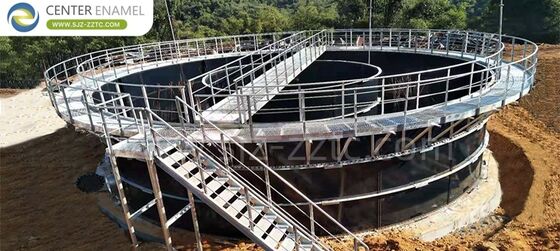
Für städtische BiogasprojekteGlas-Stahl-Tank (GFS)sind die bessere Wahl:
Vertikaler Raumwirkungsgrad: GFS-Tanks können hoch und schmal gebaut werden, wodurch wertvolles Land eingespart wird.
Überlegene Korrosionsbeständigkeit: Die Glas-Stahl-Bindung ist chemisch inert, was sie gegen die aggressiven organischen Säuren und H2S, die während der Verdauung entstehen, immun macht.
Modulare Anlage: Diese Tanks sind vor Ort verschraubt, erfordern kein schweres Schweißen und reduzieren die Bauzeit und den Lärm in sensiblen Bereichen erheblich.
Ästhetisch und langlebig: Die glatte, saubere Oberfläche passt zu Singapurs moderner Landschaft und bietet eine Lebensdauer von mehr als 30 Jahren mit minimalem Wartungsbedarf.
Center Enamel: Weltweit führend in Biogasprojekten
Center Enamel ist weltweit führend inEPC-Lösungen (Engineering, Procurement und Construction) schlüsselfertigFür Biogasprojekte liegt unser Hauptvorteil in unserem umfassenden "One-Stop"-Service, von der biologischen Prozesskonzeption über die kundenspezifische Tankfertigung bis hin zur Installation und Inbetriebnahme.Mit Erfahrung in über 100 Ländern, bieten wir die technische Exzellenz, die erforderlich ist, um die strengen Umwelt- und Sicherheitsstandards Singapurs zu erfüllen, um maximale Energiewiederherstellung und 100%ige Konformität zu gewährleisten.
Weltweite Erfolgsgeschichten: Nachgewiesene Projektfälle
Fall 1: Kanadas Biogasprojekt
Abmessungen des Behälters: φ8,4 × 7,2 m (H) 2 Einheiten
Gesamtvolumen: 798 m3
Vollendungsjahr: 2024
Fall 2: Indonesien Biogasprojekt
Tankanwendung: Palmöl-Abwasseraufbereitungsanlage
Tankmodell: Ø19.86 × 8.4 m
Anzahl der Tanks: 3 GFS-Tank
Installation: 7 Mitarbeiter, 40 Tage
Installationsdatum: November 2009
Schlussfolgerung
Für die Betreiber von Geflügelzuchtbetrieben in SingapurBiogastechnikmit derCSTR-VerfahrenundGFS-Tankist der wirksamste Weg, die Vision "30 von 30" zu verwirklichen und gleichzeitig die ökologische Verantwortung zu wahren.Das Zentrum Enamel bietet die hochtechnologische Infrastruktur, die notwendig ist, um die Industrie auf eine autarkeDieser integrierte Ansatz gewährleistet die langfristige Einhaltung der strengen Umweltgesetze Singapurs und senkt gleichzeitig die Betriebskosten durch eine nachhaltige, kreisförmige Ressourcengewinnung.