-
Glas in Stahltanks geschmolzen (596)
-
Edelstahlbehälter (434)
-
Fusion verpfändete Epoxidbehälter (592)
-
Verzinkte Stahlbehälter (321)
-
Aluminiumhauben-Dächer (1316)
-
Abwasserbehälter (231)
-
Schweißbehälter aus Stahl (457)
-
Druckbehälter (295)
-
Anaerober Digestor (201)
-
Industrieabwasser Tanks (349)
-
Glasverkleidete Stahltanks (180)
-
Weggelaufene Stahltanks (390)
-
Schlammspeicher (115)
-
Biogasspeicher (173)
-
Leachatspeicher (133)
-
Landwirtschaftliche Wasserspeicher (179)
-
Feuerwasserbehälter (166)
-
Kornspeicher-Silos (146)
-
Biogasprojekte (425)
-
Abwasserbehandlungs-Projekte (788)
-
Doppelmembranes Dach (223)

|
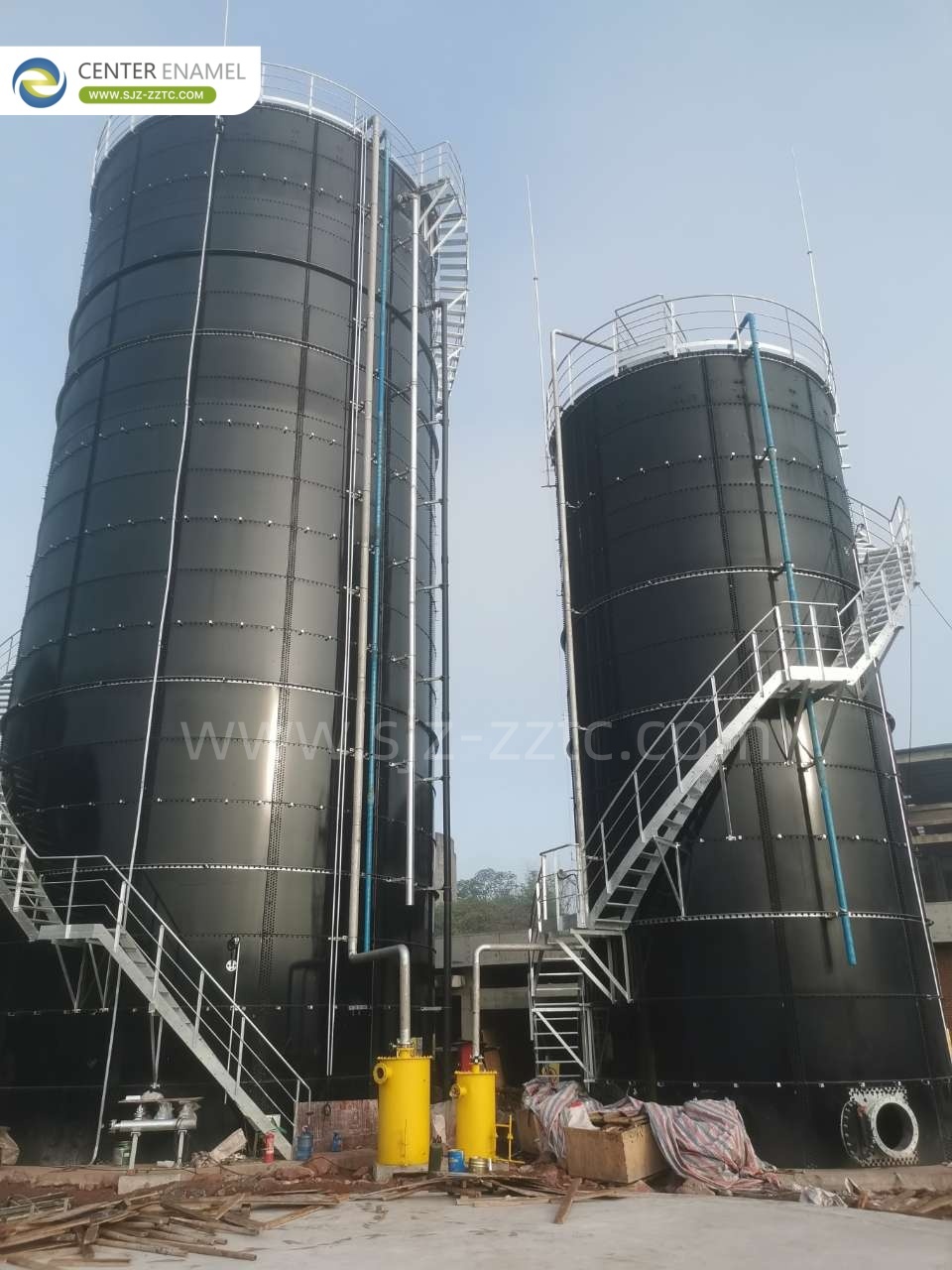
Umfassende anaerobe Lösungen für Silagestroh-Biogasprojekte in Australien
| Herkunftsort: | China |
| Markenname: | CEC TANKS |
| Zertifizierung: | ISO 9001:2008, AWWA D103 , OSHA , BSCI |
| Modellnummer: | W |
| Min Bestellmenge: | 1 SATZ |
| Preis: | $5000~$20000 one set |
| Verpackung Informationen: | PE-Polyschaum zwischen jeweils zwei Stahlplatten; Holzpalette und Holz |
| Lieferzeit: | 10–30 Tage nach Erhalt der Anzahlung |
| Zahlungsbedingungen: | L/C, T/T |
| Versorgungsmaterial-Fähigkeit: | 60 Sätze pro Monat |
|
Ausführliche Information |
|||
| Herkunftsort | China | Markenname | CEC TANKS |
|---|---|---|---|
| Zertifizierung | ISO 9001:2008, AWWA D103 , OSHA , BSCI | Modellnummer | W |
| Farbe des Tankkörpers: | Dunkelgrün / kann individuell angepasst werden | Korrosionsintegrität: | Exzellent |
| Dicke der Stahlplatten: | 3 mm bis 12 mm, abhängig von der Tankstruktur | Chemische Beständigkeit: | Exzellent |
| Größe des Panels: | 2,4 Mio. * 1,2 Mio | Leicht zu reinigen: | Glatt, glänzend, inert, antiadhäsiv |
| Hervorheben: | Anaerobe Lösungen für Silagestroh,Biogasprojekte in Australien,Aneaerobische Abwasserbehandlungssysteme |
||
Beschreibung des Produkts
Umfassende anaerobe Lösungen für Australien
Silagestroh bezeichnet hochfeuchtige landwirtschaftliche Pflanzenrückstände, hauptsächlich aus Mais, Weizen oder Sorghum, die durch kontrollierte anaerobe Gärung (Ensilage) gehackt und konserviert werden.Diese spezielle Art der Konservierung hält die löslichen Zucker und den organischen Bestand der Pflanze, so dass es ein außergewöhnlicher, nährstoffreicher Rohstoff für Viehzucht und große industrielle Bioenergiesysteme ist.
Überblick und Anwendungen von Silage-Strahressourcen in Australien
Die Produktion von Silage-Strah und die Integration der Landwirtschaft erweitern sich in ganz Australien rasant, unterstützt durch das große Ackerland des Landes und die unterschiedlichen landwirtschaftlichen Subklimas.Als reichlich vorhandenes und zuverlässiges Bio-Nebenprodukt von Primärkorn- und Getreideernten, ist Silagestroh eine wichtige Biomassequelle für nachhaltige Entwicklungen im kommerziellen Maßstab.Neben der bisherigen Anwendung als hochwertiges Winterfutter für die umfangreiche Milch- und FleischviehzuchtIn den Vereinigten Staaten wird die Verwendung von Silagestroh zunehmend als hochproduktives Industrieprodukt erweitert.Der hohe Lignocellulosegehalt und die vorhersagbare saisonale Verfügbarkeit machen ihn zu einem idealen Kandidaten für dezentrale Energieanlagen, die landwirtschaftlichen Regionen bei der Umwandlung roher landwirtschaftlicher Abfälle in profitable saubere Bioenergie unterstützt.
Die biologische Sequenz, wie sich aus Silagehalm Biogas bildet
The biological conversion of silage straw into methane-rich biogas occurs through anaerobic digestion—a sequential biological sequence where specialized bacterial cultures break down complex organic matter in a completely oxygen-free environmentDieser komplexe biochemische Weg läuft in vier Stufen ab:
Hydrolyse:Komplexe Zellulosefasern und robuste lignocelluloseartige Strukturen im Strohhalm werden enzymatisch in einfache Zucker zerlegt.
Acidogenese:Säureproduzierende Mikroorganismen fermentieren diese einfachen organischen Verbindungen zu flüchtigen Fettsäuren und Alkoholen.
Acetogenese:Spezialisierte acetogene Bakterien verwandeln anschließend die angesammelten VFA in Essigsäure, Wasserstoff und Kohlendioxid.
Methanogenese:Im letzten Schritt metabolisieren hochempfindliche methanogene Archaea diese Vorläufer und erzeugen einen hochleistungsfähigen Biogasstrom, der zur lokalen Erzeugung von grüner Energie bereit ist.
Strategische Vorteile von Biogaslösungen aus Silagestroh für Australien
Durch den Einsatz fortschrittlicher Biogaslösungen für die Verarbeitung von Stroh aus landwirtschaftlicher Silagestofung ergeben sich in Australiens einzigartigen ökologischen und wirtschaftlichen Landschaften vielfältige, mehrdimensionale Vorteile:
Verringerung der Brandgefahren in der Landwirtschaft:Lokalisierte Sammlung und anaerobe Eindämmung von Überschusshalm senkt die Brennstoffbelastung der Betriebe erheblich, reduziert den Abbau von Feldbränden im Freien und die saisonalen Brandgefahren im ländlichen Raum.
Dezentralisierte Stromversorgung und regionale NetzwiderstandsfähigkeitDurch die Umwandlung dichter Pflanzenabfälle in vorhersehbare Stromversorgung wird eine stabile, kontinuierliche erneuerbare Energieversorgung geschaffen, die ländliche Gemeinden vor volatilen Energiemärkten schützt.
Produktion von nachhaltigen Bio-Dünger:Das verbrauchte Digestat-Nebenprodukt des Bioreaktors liefert einen ausgewogenen, nährstoffreichen organischen Dünger, der synthetische Chemikalien ersetzt und in trockenen Regionen Bodenkohlenstoff aufbaut.
Kernanaerobe Technologien: CSTR, UASB, USR und IC
Die Auswahl einer geeigneten biologischen Prozesskonfiguration ist von entscheidender Bedeutung, um den schwankenden organischen Belastungen und den hohen Menge an suspendierten Feststoffen, die typisch für landwirtschaftliche Biomasse-Ströme sind, entgegenzuwirken.Center Enamel bietet spezialisiertes Fachwissen für vier verschiedene anaerobe Prozesse:
CSTR (kontinuierlich gerührter Tankreaktor):Das CSTR-Verfahren ist die optimale Wahl für die Abfallbewirtschaftung mit hohen festen Fraktionen oder dicken organischen Zellzellen wie geschnittenem Silagestroh.Seine leistungsstarken mechanischen Mischsysteme sorgen für eine einheitliche biologische Umgebung, wodurch die Oberflächenschaumbildung erfolgreich unterdrückt und eine gleichbleibende, hohe organische Umwandlung gewährleistet wird.
UASB (Aufströmung anaerober Schlammdecke):Ein sehr reaktionsschneller Flüssigphasenprozess, der sich ideal für vorab absetzte landwirtschaftliche Abwässer eignet.schnell abbaubare lösliche COD in einer platzsparenden Anlagenkonfiguration.
USR (Upflow Solids Reactor):Speziell konstruiert für Abfallströme mit hohem Gesamtgehalt an suspendierten Feststoffen (SS).Diese Konfiguration funktioniert, indem organische Partikel für längere Zeit in der Verdauungszone gehalten werden., die eine gründliche Aufschlüsselung und eine überlegene Biogasproduktion gewährleistet.
IC-Reaktor (innere Zirkulation):Ein hocheffizienter Tiefenreaktor der nächsten Generation mit integrierter zweistufiger innerer Zirkulation, angetrieben durch selbst erzeugtes Biogas.Es ist hervorragend in der Verwaltung von außergewöhnlich hohen volumetrischen organischen Belastungsraten, so daß sie für Industrieanlagen mit hoher Kapazität geeignet ist.
Vorteile von GFS-Tanks in Australien
Die jahrzehntelange Leistungsfähigkeit jeder Entwicklung der Energiegewinnung aus Industrieabfällen hängt unmittelbar von der strukturellen Zuverlässigkeit der wichtigsten Behälter ab.Center Enamel verfügt über erstklassige Glas-Fused-to-Steel (GFS) -Tanks, die unter der starken UV-Strahlung Australiens einzigartige Leistungsvorteile bieten, Küstenumgebungen und trockene Bedingungen:
Ausnahmeschutz gegen Chemikalien und Korrosion:Der anaerobe Abbau organischer Biomasse erzeugt harte organische Säuren und hochkorrosives Schwefelwasserstoffgas (H2S).mit einer Dicke von mehr als 20 mm,, übertrifft traditionellen Beton oder geschweißtem Stahl.
Anpassungsfähigkeit an klimatische Belastungen und UV-Exposition:In Australien herrschen Hitze, starke UV-Strahlen und plötzliche thermische Veränderungen.die Schiffe besser gegen Wetterbedingungen standhalten, lokalisierte Verschiebung und thermische Ausdehnung, ohne dass sich strukturelle Risse entwickeln.
Schnelle Installation und Logistik vor Ort:Die GFS-Tankbauten, die vollständig in einer kontrollierten Fabrikumgebung vorgefertigt werden, werden modular an die Baustelle geliefert und mit Hilfe spezialisierter Hydraulikanschlüsse schnell montiert.Dies eliminiert lange Betonhärtungsphasen und senkt den lokalen Arbeitsbedarf, um eine schnelle Inbetriebnahme zu gewährleisten.
Optimierte Flächenpräsenz und Skalierbarkeit:Die vertikale Tankkonfiguration bietet einen großen volumetrischen Speicherplatz, während sie eine minimale Fläche einnimmt.die einfache Einbindung passender modularer Einheiten bei zunehmender Biomasseverarbeitung im Laufe der Zeit.
Warum mit Center Enamel für Biogasprojekte zusammenarbeiten
Die Wahl von Center Enamel als spezialisierten EPC-Auftragnehmer bietet umfangreiche operative und technologische Vorteile:
Schlüsselfertige technische Pakete:Wir bieten einen umfassenden Projektlebenszyklus-Service, der sich über maßgeschneiderte biologische Prozessentwicklung, Premium-Tankfertigung, Präzisionsgerätebeschaffung, schnelle Feldinstallation,und die Inbetriebnahme eines intelligenten Automatisierungssystems.
Gestaltung einer maßgeschneiderten technischen Lösungin Anbetracht der Tatsache, dass die Eigenschaften der Biomasse je nach Erntezyklus und Verarbeitungsskala variieren,Unsere Experten-Ingenieure konfigurieren jedes anaerobe Anlagen-Layout, um die lokalen Abfall-Eigenschaften und die regionalen Umweltparameter genau zu entsprechen.
Vollständig integrierte Ausrüstung:Neben der Produktion von Premium-GFS-Tanker entwickeln und implementieren wir wichtige Prozesskomponenten wie doppelmembranen Gashalter, maßgeschneiderte Mischsysteme und fortschrittliche Biogasreinigungseinheiten.
Umfangreiche Erfolgsbilanz für globale Projekte:Mit erfolgreich in Betrieb genommenen Lager- und Behandlungssystemen in über 100 Ländern,Center Enamel bringt globale Innovationen im Bereich Abfallenergie effektiv mit lokalen Standards und strengen Umweltvorschriften in Einklang.
Industriebewährte Fallstudien
Die weltweiten Konstruktionsfähigkeiten und robusten technischen Standards von Center Enamel werden durch große internationale Anlagen zur Energiegewinnung von Abfällen demonstriert:
Fall 1: Indonesien Biogasprojekt
Anwendungsbereich: Anaerobe Reaktoren für Abwasseraufbereitungsanlagen für Palmöl
Tankmodelle: Ø17.58 × 8.4 m, Ø16.82 × 7.2 m
Anzahl der Tanks: 3 GFS-Tank
Installationsdatum: 2013
Fall 2: Frankreich Biogasprojekt
Prozessstufe: CSTR
Abmessungen des Behälters: φ18.33 × 8.4 m (H) 1 Einheit
Gesamtvolumen: 2.215 m3 (für 1 Einheit)
Abschlussdatum: 2021
Die Entwicklung einer dauerhaften, modernen Infrastruktur ist unerlässlich, da Australien sein Engagement für grünes Wirtschaftswachstum, strenge Einhaltung landwirtschaftlicher Entlastungsvorschriften und nachhaltige Ressourcengewinnung verstärkt.Aufbau spezialisierter Biogasanlagen zur Silage-Strahverarbeitung auf Basis fortschrittlicher anaerober Lösungen, dem flexiblen CSTR-Verfahren und hochwertigen GFS-Tank bietet gewerblichen landwirtschaftlichen Erzeugern und kommunalen Behörden eine sehr zuverlässigeGewinnbringende Methode zur Lösung von Problemen mit UmweltabfällenDurch die Bildung einer strategischen Partnerschaft mit dem Center Enamel erhalten kommunale und industrielle Akteure direkten Zugang zu erstklassiger Prozesstechnik, bewährten anaeroben Konfigurationen,und widerstandsfähige Containment-SystemeDieser umfassende Ansatz erfüllt leicht strenge lokale Umweltvorschriften, senkt die täglichen Ausgaben für die Entsorgung von Abfällen erheblich,und eine zuverlässige Quelle sauberer Energie erzeugt, um Australiens langfristigen Umweltschutz und die Erreichung der Ziele für erneuerbare Energien zu gewährleisten..