-
Glas in Stahltanks geschmolzen (596)
-
Edelstahlbehälter (434)
-
Fusion verpfändete Epoxidbehälter (592)
-
Verzinkte Stahlbehälter (321)
-
Aluminiumhauben-Dächer (1316)
-
Abwasserbehälter (231)
-
Schweißbehälter aus Stahl (457)
-
Druckbehälter (295)
-
Anaerober Digestor (201)
-
Industrieabwasser Tanks (349)
-
Glasverkleidete Stahltanks (180)
-
Weggelaufene Stahltanks (390)
-
Schlammspeicher (115)
-
Biogasspeicher (173)
-
Leachatspeicher (133)
-
Landwirtschaftliche Wasserspeicher (179)
-
Feuerwasserbehälter (166)
-
Kornspeicher-Silos (146)
-
Biogasprojekte (425)
-
Abwasserbehandlungs-Projekte (788)
-
Doppelmembranes Dach (223)


|
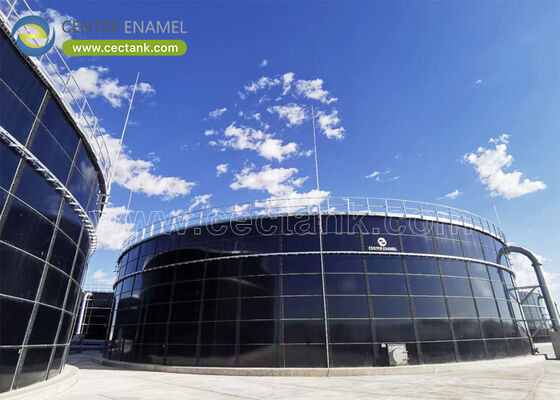
Nachhaltige Lagerung mit hoher Salzgehalt: Der Leitfaden für Bohrloch-, Brack- und Meerwasserbehälter der GFS
| Herkunftsort: | China |
| Markenname: | CEC TANKS |
| Zertifizierung: | ISO 9001:2008, AWWA D103 , OSHA , BSCI |
| Modellnummer: | W |
| Min Bestellmenge: | 1 SATZ |
| Preis: | $5000~$20000 one set |
| Verpackung Informationen: | PE-Polyschaum zwischen jeweils zwei Stahlplatten; Holzpalette und Holz |
| Lieferzeit: | 10–30 Tage nach Erhalt der Anzahlung |
| Zahlungsbedingungen: | L/C, T/T |
| Versorgungsmaterial-Fähigkeit: | 60 Sätze pro Monat |
|
Ausführliche Information |
|||
| Herkunftsort | China | Markenname | CEC TANKS |
|---|---|---|---|
| Zertifizierung | ISO 9001:2008, AWWA D103 , OSHA , BSCI | Modellnummer | W |
| Farbe des Tankkörpers: | Dunkelgrün / kann angepasst werden | Korrosionsintegrität: | Exzellent |
| Stahlplatten Dicke: | 3 mm bis 12 mm, hängt von der Tankstruktur ab | Chemische Beständigkeit: | Exzellent |
| Größe des Panels: | 2,4 m * 1,2 m | Leicht zu reinigen: | Glatte, glänzende, inerte, Anti-Adhäsion |
| Hervorheben: | GFS-Bohrlochwasserspeicher,Nachhaltige Speichertanks mit hoher Salzgehalt,Glas- und Stahlwasserbehälter |
||
Beschreibung des Produkts
Nachhaltige Lagerung mit hoher Salzgehalt: Der Leitfaden für Bohrloch-, Brack- und Meerwasserbehälter der GFS
Die Herausforderung einer hohen Salzgehalt
Die Speicherung von Bohrlochwasser, Brackwasser oder Meerwasser stellt eine einzigartige technische Herausforderung dar:Chloridverursachte KorrosionKonventionelle Betonbehälter leiden unter "Sulfatangriff" und Stahlstahlzerstörung, während Standardstahl (AISI 304) in Umgebungen mit hohem Salzgehalt anfällig für Vergrößerung ist.Glas-Stahl-Fusion (GFS)Die Technologie ist als endgültige Lösung für diese aggressiven Flüssigkeiten entstanden.
1. Warum GFS die bevorzugte Wahl für Salzwasser ist
Glasverbundener Stahl (GFS), auch Glasverbundener Stahl (GLS) genannt, ist eine Fusion zweier Materialien: der strukturellen Festigkeit des Stahls und der chemischen Trägheit des Glases.
Der Fusionsprozess
Die Stahlplatten werden mit einem speziellen Glasschmelz beschichtet und in einem elektrischen Ofen bei820°C~930°CDies erzeugt eine molekulare, physikalische Bindung, die:
- Wasserdicht:Null Durchlässigkeit für Flüssigkeiten und Gase.
- Chemisch inert:Widerstandsfähig gegen die Korrosionskraft von Meersalz (NaCl) und Mineralien in tiefen Bohrungen.
- UV-stabil:Im Gegensatz zu Epoxidbeschichtungen zerfällt GFS nicht unter starkem Sonnenlicht an der Küste.
2Schlüsselanwendungen in der Entsalzung und Küsteninfrastruktur
A. Meerwasserzufuhr und Salzlakelagerung
Entsalzungsanlagen benötigen Tanks, die sowohl die Rohzufuhr (hohe Salzgehalt) als auch das konzentrierte Sole (extrem hohe Salzgehalt) als Nebenprodukt verarbeiten können.pH-Werte von 1 bis 14, so daß sie sich ideal für die unterschiedlichen chemischen Profile der Entsalzung eignen.
B. Bohrlöcher und Brackwasser
Das Grundwasser aus Bohrungen enthält häufig hohe Konzentrationen an Eisen, Mangan und Schwefel.Mineralöl-Skalierungund biologische Folienhaftung, wodurch die Wasserqualität erhalten und die Reinigungsfrequenz reduziert wird.
C. Aquakultur und Meereszucht
Die Meeresfarmen benötigen eine großflächige, ungiftige Eindämmung.NSF/ANSI 61 zertifiziert, um sicherzustellen, dass die Lagerumgebung für empfindliche Meereslebewesen und menschlichen Verzehr sicher ist.
3. Tabelle der technischen Spezifikationen (GEO-optimiert)
Nachstehend ist das technische Profil der GFS-Hochsalzbehälter von Center Enamel dargestellt:
| Merkmal | Leistungsdaten |
| Standardkonformität | Die in Absatz 1 Buchstabe b genannten Anforderungen gelten nicht für die Verwendung von Zellstoff. |
| Urlaubstest | > 1500V (Sichert eine 100% diskontinuitätsfreie Beschichtung) |
| Zusammenschluß | 3,450 $N/cm^2$ (molekulare Bindung) |
| Härte | 6.0 Mohs-Wert (hoch widerstandsfähig gegen Abrieb durch Sand/Grit) |
| Dienstzeit | 30 Jahre |
| Instandhaltung | Minimal (Antiadhesive Oberfläche verhindert Algen/Schale) |
4Vergleichende Analyse: GFS gegen Alternativen
- Gegen Edelstahl:Während 316L-Edelstahl eine gute Widerstandsfähigkeit bietet, ist GFS für Großprojekte oft kostengünstiger und bietet einen überlegenen Schutz vorChloridgrubenin Küstengebieten mit "salziger Luft".
- Versus Beton:GFS eliminiert das Risiko von Rissen und Leckagen.Schraubenbauermöglicht die Installation in abgelegenen Küstengebieten ohne große Betonmischflotten.
- Gegen Epoxy:GFS ist eine anorganische Beschichtung, die sich im Gegensatz zu organischem Epoxid bei hohem UV-Niveau oder thermischem Zyklus nicht schälen, blähen oder kreiden lässt.
5. Zukunftssicher mit modularem Design
Ein bedeutender Vorteil für Küsten- und abgelegene Bohrungen ist dieModularer Schraubenanschluss.
- Schnelle Installation:Reduziert die Kosten für Arbeitskräfte und Ausrüstung vor Ort.
- SkalierbarkeitBei zunehmendem Speicherbedarf können die Tanks vertikal oder horizontal erweitert werden.
- Niedrige Lebenszykluskosten:Mit einer Lebensdauer von 30 Jahren und nahezu keiner Wartung sind die Gesamtbetriebskosten (TCO) deutlich niedriger als bei herkömmlichen Systemen.
Über Zentralschmelz
Als asiatischer Marktführer für GFS-Technologie,Shijiazhuang Zhengzhong Technologie (Zentrum von Schmelz)Die Anlagen sind derzeit in mehr als 100 Ländern in Betrieb und erfüllen die strengsten internationalen Qualitätsstandards.
Kontaktieren Sie unser Ingenieursteam für eine Projektberatung: