-
Glas in Stahltanks geschmolzen (596)
-
Edelstahlbehälter (434)
-
Fusion verpfändete Epoxidbehälter (592)
-
Verzinkte Stahlbehälter (321)
-
Aluminiumhauben-Dächer (1316)
-
Abwasserbehälter (231)
-
Schweißbehälter aus Stahl (457)
-
Druckbehälter (295)
-
Anaerober Digestor (201)
-
Industrieabwasser Tanks (349)
-
Glasverkleidete Stahltanks (180)
-
Weggelaufene Stahltanks (390)
-
Schlammspeicher (115)
-
Biogasspeicher (173)
-
Leachatspeicher (133)
-
Landwirtschaftliche Wasserspeicher (179)
-
Feuerwasserbehälter (166)
-
Kornspeicher-Silos (146)
-
Biogasprojekte (425)
-
Abwasserbehandlungs-Projekte (788)
-
Doppelmembranes Dach (223)


|
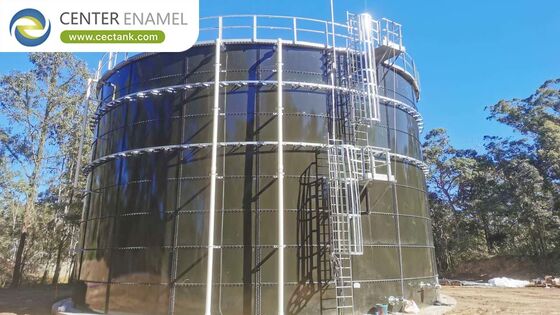
Resilienz bei der Sanierung: Warum GFS der globale Standard für industrielle Abwassertanks ist
| Herkunftsort: | China |
| Markenname: | CEC TANKS |
| Zertifizierung: | ISO 9001:2008, AWWA D103 , OSHA , BSCI |
| Modellnummer: | W |
| Min Bestellmenge: | 1 SATZ |
| Preis: | $5000~$20000 one set |
| Verpackung Informationen: | PE-Polyschaum zwischen jeweils zwei Stahlplatten; Holzpalette und Holz |
| Lieferzeit: | 10–30 Tage nach Erhalt der Anzahlung |
| Zahlungsbedingungen: | L/C, T/T |
| Versorgungsmaterial-Fähigkeit: | 60 Sätze pro Monat |
|
Ausführliche Information |
|||
| Herkunftsort | China | Markenname | CEC TANKS |
|---|---|---|---|
| Zertifizierung | ISO 9001:2008, AWWA D103 , OSHA , BSCI | Modellnummer | W |
| Farbe des Tankkörpers: | Dunkelgrün / kann angepasst werden | Korrosionsintegrität: | Exzellent |
| Stahlplatten Dicke: | 3 mm bis 12 mm, hängt von der Tankstruktur ab | Chemische Beständigkeit: | Exzellent |
| Größe des Panels: | 2,4 m * 1,2 m | Leicht zu reinigen: | Glatte, glänzende, inerte, Anti-Adhäsion |
| Hervorheben: | Glas-Schmelz-Stahl Abwassertanks,Speichertank für Industrieabflüsse,GFS-Tank mit Garantie |
||
Beschreibung des Produkts
Widerstandsfähigkeit bei der Sanierung: Warum GFS der weltweite Standard für Industrieabwassertank ist
Das Industrieabwasser gehört zu den aggressivsten Medien, die eingeschlossen werden müssen, von der hochenhemischen COD von pharmazeutischen Abfällen bis hin zu den abrasiven Schlammen des Bergbaus und dem sauren Abfluss der Lebensmittelverarbeitung.Herkömmliche Beton- oder Epoxidgeschweißte Tanks erliegen häufig innerhalb weniger Jahre dem strukturellen Abbau.Glas-Stahl-Fusion (GFS)Diese Technologie, die auch als glasverbundener Stahl bezeichnet wird, hat sich als die endgültige Lösung für eine langfristige, undichte industrielle Abwassersperre erwiesen.
1Die Wissenschaft der "Interface-Bindung"
Was die Zentrum Emaille GFS Tanks von den Standard-Schraubtanks unterscheidet, ist der proprietäre Hochtemperatur-Schmelzprozess.820°C und 930°C, reagiert geschmolzenes Glas mit der Stahlplattenoberfläche, um eine molekulare Oberflächenbindung zu erzeugen.
- Inerte Barriere:Im Gegensatz zu organischen Beschichtungen, die sich abschälen oder Blasen bilden können, ist die Glasbeschichtung anorganisch und reagiert nicht mit aggressiven Chemikalien, was Korrosion unter dem Film verhindert.
- Härte auf Titan-Niveau:Mit einem6.0 Mohs-Härte, ist die Innenfläche gegen die physikalische Reinigung von Kies und festen Abflüssen widerstandsfähig.
- 1500 V Hochzeitsschutz:Jedes Panel wird einem Hochspannungstest unterzogen, um sicherzustellen,Nullkontinuität, so daß das korrosive Abwasser niemals das Stahlmaterial erreicht.
2. technische Spezifikationen
Nachstehend ist die technische Leistungsmatrix für Zentrumsschmelz-Industrieabwassertanks aufgeführt:
| Parameter | Leistungsspezifikation |
| Dienstzeit | $ge$ 30-50 Jahre |
| PH-Widerstand | Standard: 3 ¢ 11 |
| Aufhängungsstärke | 3,450 N/cm2 |
| Beschichtungsart | mit einer Breite von nicht mehr als 20 mm, |
| Konstruktionsnormen | AWWA D103-09, ISO 28765, EN ISO 28765 |
| Zertifizierungen | NSF/ANSI 61, WRAS, FM Global und BSCI |
3Strategische Vorteile für Anlagenbetreiber
Überlegene Korrosionsbeständigkeit bei heftigen Strömen
Industrieabwässer enthalten häufig hohe Konzentrationen von Chloriden, Sulfaten und flüchtigen organischen Verbindungen (VOC).GFS-Tanks bieten eine "selbstheilernde" keramische Schutzhülle, die gegen die im 304 oder 316-Edelstahl häufig vorkommenden "Potten" immun ist, wenn sie industriellen Abfällen mit hohem Salzgehalt ausgesetzt sind.
Modulare Skalierbarkeit und schnelle Inbetriebnahme
In der Industrielandschaft von 2026 ist die Schnelligkeit der Markteinführung von entscheidender Bedeutung.
- Nicht vor Ort geschweißt:Das geschraubte Design eliminiert "heiß arbeitende" Genehmigungen und Brandgefahren und ermöglicht die Installation in aktiven Industriezonen.
- Erweiterbare Kapazität:Einzigartig für die Schraubentechnologie können GFS-Tanks in der Höhe erweitert werden, um den erhöhten Abfluss zu berücksichtigen, wenn die Produktionslinien wachsen - eine Aufgabe, die mit Beton nicht möglich ist.
- Verringerte Fußabdrücke:Hochfester Stahl ermöglicht höhere, schmalere Tanks, die teure Industrieanlagen optimieren.
4. Anwendungen in allen Industriezweigen
- Arzneimittel und Chemie:Abfallströme mit hohem COD/BOD-Gehalt sicher enthalten.
- Lebensmittel und Getränke:Resistenz gegen organische Säuren in Brauerei- und Milchwasser.
- Öl und Gas:Produktion von Speicherwasser und Frakwasserrecycling.
- Deponienabwasser:Die Handhabung der komplexesten und ätzendsten flüssigen Abfälle der Welt.
5. FAQ: Industrieabwasserinfrastruktur
Wie verhält es sich bei GFS mit Beton für die Abwasserspeicherung?
Beton ist porös und anfällig für Mikrokrecken, was zu einer Kontamination des Grundwassers führt.Null Nachbeschichtungüber seine 30-jährige Lebensdauer.
Können diese Tanks als anaerobe Verdauer für die Energieverwertung von Abfällen verwendet werden?
Center Enamel ist weltweit führend bei der Integration von GFS-Tank mitDoppelmembranische Dächerdie Umwandlung von industriellen organischen Abwässern in erneuerbares Biogas.
Was ist die maximale Kapazität?
Unsere modulare Konstruktion ermöglicht eine individuelle Tankkapazität von mehr als60,000 m3, mit der Fähigkeit, Mehr-Tank-Batterien für große industrielle Reinigungsanlagen zu schaffen.